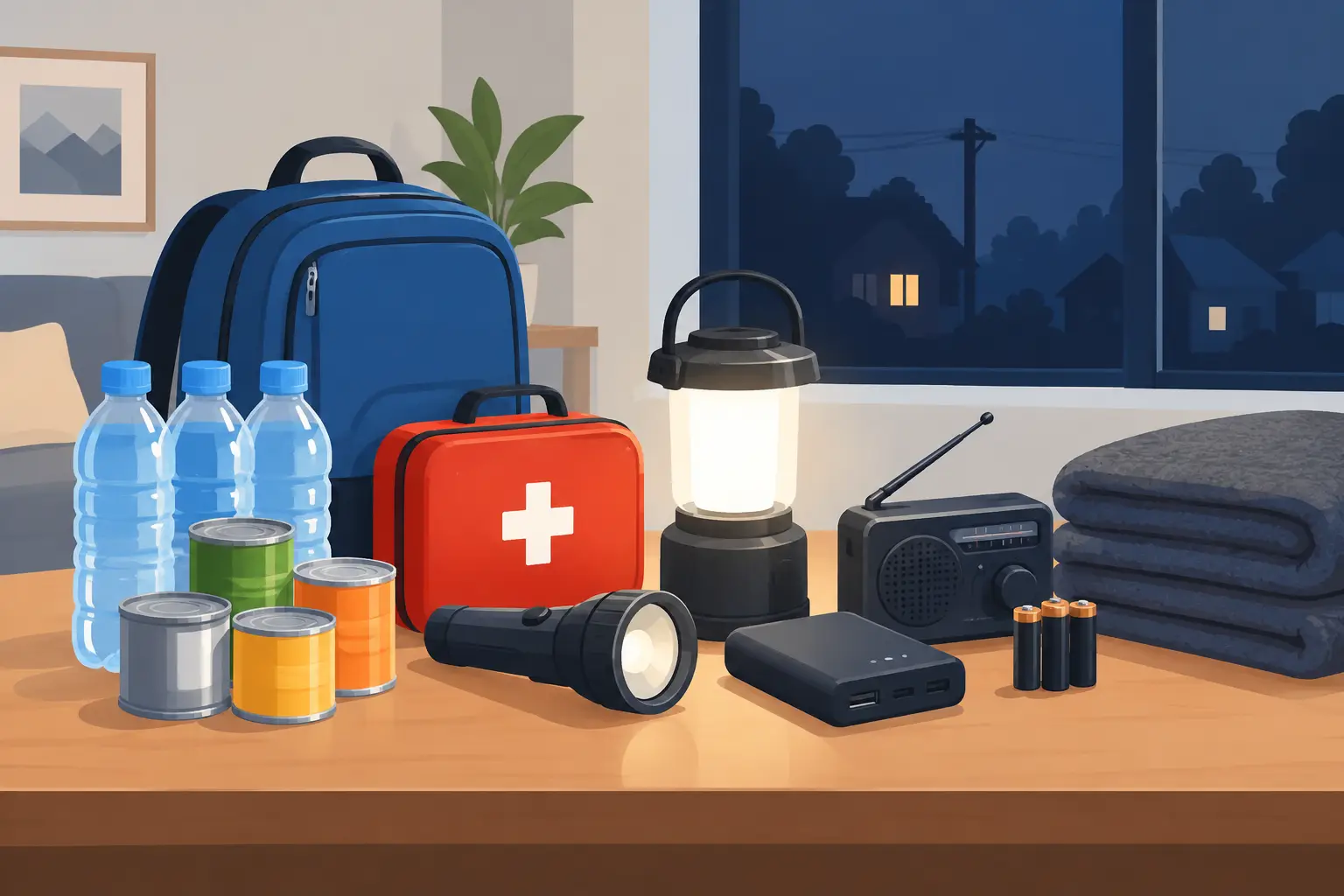
A power outage can turn a normal evening into a scramble for flashlights, phone chargers, and a working can opener. The right top power outage supplies help your household stay safe and comfortable without buying expensive gear you may rarely use. Start with the basics that solve immediate problems: light, safe water, food, communication, warmth or cooling, and cleanup.
The best approach is practical. Build a kit around the people, pets, medications, and weather risks in your home. A short overnight outage calls for different supplies than a multiday storm, and an apartment has different needs than a rural home with a well pump.
Top Power Outage Supplies to Keep on Hand
Reliable light comes first
Keep multiple flashlights in places where everyone can find them quickly, such as the kitchen, bedroom, utility area, and vehicle. LED flashlights use less battery power and provide dependable light for moving through a dark house. Headlamps are especially useful because they keep both hands free for cooking, checking a breaker panel, caring for children, or cleaning up.
Battery-powered lanterns work well for a table, bathroom, or central room. Choose models with adjustable brightness when possible. A low setting can provide enough light for hours while preserving batteries.
Store fresh batteries beside each device, but do not leave loose batteries rolling around in a drawer. Use a small labeled container and check it twice a year. If a device uses a rechargeable battery pack, make charging part of your storm-prep routine.
Candles may seem like an easy backup, but they create a fire risk when people are tired, children are nearby, or a home is already crowded with emergency supplies. Battery-powered light is the safer default.
Phone power and basic communication
A charged phone is useful for weather alerts, family updates, outage information, and emergency calls. Keep one or more portable power banks charged and ready. For a household with several phones, a larger power bank or two smaller units is usually more useful than a single compact charger.
Charge power banks after each use and check them every few months. A power bank that has been sitting uncharged since last storm season may not provide the backup you expect.
A battery-powered or hand-crank radio is worth considering, particularly in areas affected by hurricanes, tornadoes, wildfires, or winter storms. Cellular service can become unreliable during widespread outages. A radio gives you another way to receive local weather instructions and public safety updates.
Keep a printed list of key phone numbers in your kit. That small step matters if a phone battery dies or contact information is not readily available on someone else's device.
Water and food that need little preparation
Keep enough drinking water for each person and pet in the household. A common starting point is one gallon per person per day, but your actual amount depends on climate, health needs, and how long an outage may last. Hot weather, infants, older adults, and certain medical conditions can increase water needs.
Choose shelf-stable food your household will actually eat. Canned beans, fruit, soup, tuna, crackers, nut butter, shelf-stable milk, and ready-to-eat meals are practical options. Include foods that do not require cooking, because an electric stove or microwave will not help during an outage.
A manual can opener belongs with the food, not in a separate kitchen drawer. Keep disposable plates, cups, utensils, and paper towels nearby as well. They reduce water use when dishwashing is inconvenient.
Rotate food by using older items before they expire and replacing them with new stock. This keeps your emergency shelf useful and prevents waste. If someone in your home has allergies or follows a special diet, set aside appropriate options rather than assuming whatever is in the pantry will work.
Supplies for Comfort, Health, and Cleanup
Outages are not only about darkness. A home can become uncomfortable quickly, especially during summer heat or winter cold. Keep blankets, sleeping bags, warm socks, and simple layers accessible during cold-weather months. In hot conditions, handheld battery-operated fans, cool drinking water, and lightweight clothing can make a meaningful difference.
First-aid supplies should include adhesive bandages, gauze, antiseptic, pain relievers, and any household-specific items you regularly need. Keep prescription medications in mind. If a medication needs refrigeration or powers a medical device, make a plan before an outage occurs. That may involve an insulated cooler, backup power approved for the device, or contacting a medical provider for guidance.
For cleanup, stock trash bags, disinfecting wipes, hand sanitizer, paper towels, gloves, and basic household cleaning supplies. A long outage can affect plumbing, refrigeration, and daily sanitation. These simple supplies help you handle spills, food disposal, and routine hygiene without making an unnecessary trip to the store.
If you have pets, add food, water, waste bags, a leash or carrier, and needed medication. Emergency plans often overlook pets until the household is already under pressure.
Protect refrigerated food safely
Keep refrigerator and freezer doors closed as much as possible. A refrigerator generally keeps food cold for about four hours if unopened, while a full freezer can hold its temperature much longer than a half-full one. Exact timing varies with room temperature, appliance condition, and how often doors are opened.
An appliance thermometer takes the guesswork out of food safety. Do not rely only on smell or appearance when deciding whether perishables are safe. When in doubt, discard food that has been held at an unsafe temperature. It is frustrating to waste groceries, but foodborne illness costs more than replacing a few items.
Have a cooler and ice packs ready if you need to move medications or selected refrigerated foods. Avoid opening the freezer repeatedly to check on items. Every opening releases cold air and shortens the time food stays safely chilled.
Know When a Generator Helps
A portable generator can be useful for longer outages, but it is not a simple substitute for an emergency kit. It requires fuel, maintenance, safe operation, and careful planning. Never run a generator inside a home, garage, basement, shed, or near open windows and doors. Carbon monoxide can build up quickly and can be deadly.
If your household depends on a generator, keep fuel stored according to local rules and manufacturer instructions. Test the equipment periodically and use heavy-duty extension cords rated for the intended load. A transfer switch should be installed by a qualified professional if you plan to connect backup power to home circuits.
For many short outages, flashlights, power banks, water, food, and a few comfort supplies are enough. A generator makes more sense when outages are frequent, long, or connected to medical equipment, well pumps, severe temperatures, or critical work needs.
Organize Your Kit So It Works When Needed
Emergency supplies only help if you can locate them fast. Use clear bins, a closet shelf, or a designated cabinet near the center of your home. Label the container clearly and keep a smaller grab-and-go bag for essentials such as flashlights, batteries, chargers, first aid, water, and documents.
Avoid buying everything at once if that strains your budget. Build your supply over several regular shopping trips. Start with light and communication, then add water, food, sanitation, and seasonal comfort items. Practical utility supplies, such as refillable lighters for approved outdoor use, anti-microbial scissors for first-aid tasks, and household basics, can be replenished alongside everyday purchases rather than treated as a costly special project.
Review the kit at the start of severe-weather season and after any outage. Replace expired food, weak batteries, used first-aid items, and damaged chargers. Update supplies for new pets, a growing family, or changing medical needs.
A well-stocked outage kit does not need to be complicated or expensive. Keep it organized, use what you rotate, and replace what you use. When the lights go out, that preparation gives your household one less problem to solve.